
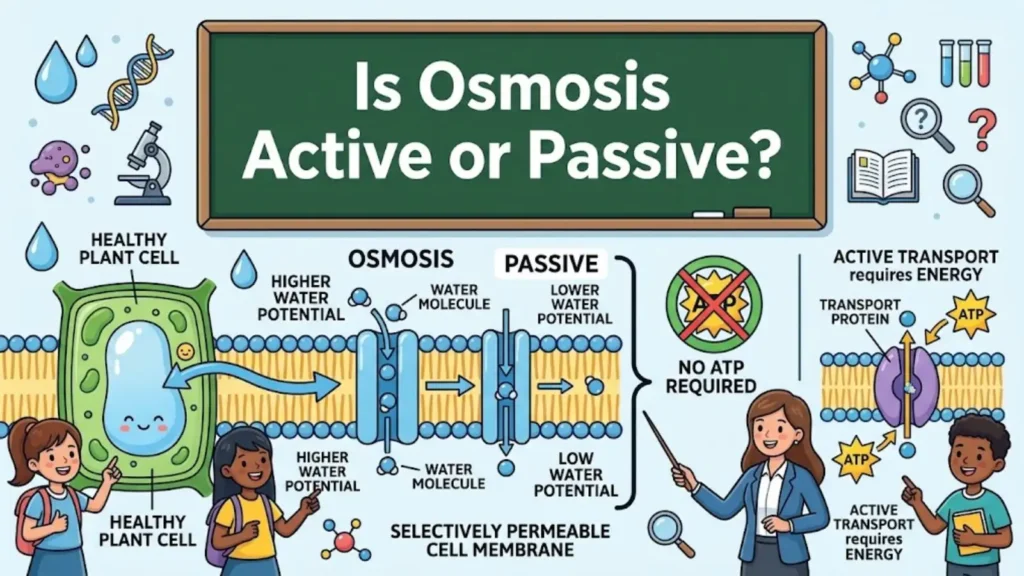
Is Osmosis Active or Passive? A Simple Biology Explanation
If you have ever wondered “is osmosis active or passive?”, the short answer is simple: osmosis is a passive transport
Is Osmosis Active or Passive? A Simple Biology Explanation Read More »
Grammar
If you have ever wondered “is osmosis active or passive?”, the short answer is simple: osmosis is a passive transport
Is Osmosis Active or Passive? A Simple Biology Explanation Read More »
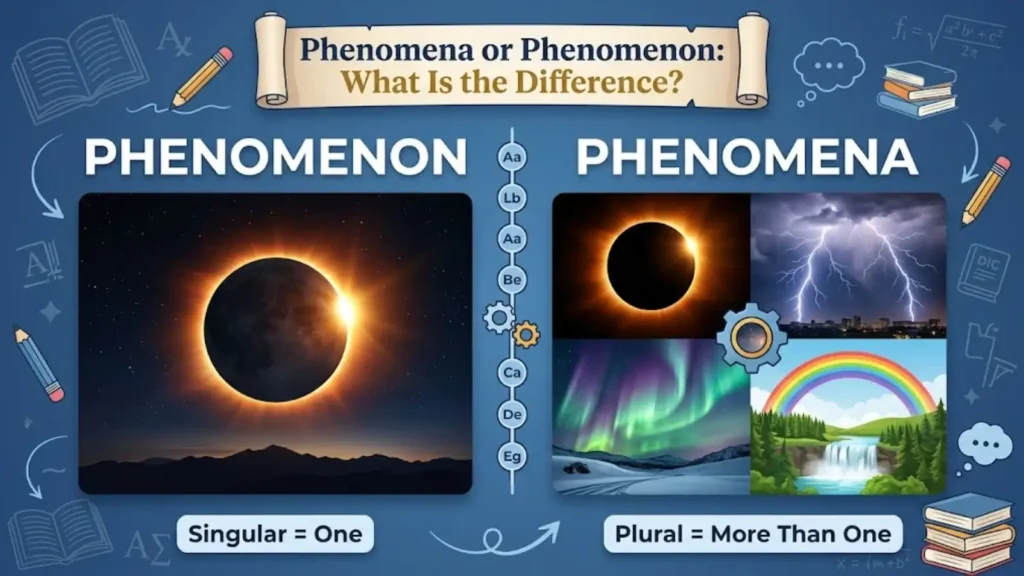
Have you ever wondered whether to write phenomena or phenomenon? These two words are closely related, so it is easy
Phenomena or Phenomenon: What Is the Difference? Read More »

Use to for direction, purpose, or as part of an infinitive. Use too to mean “also” or “more than enough.”
To or Too: What’s the Difference and When Should You Use Each? Read More »
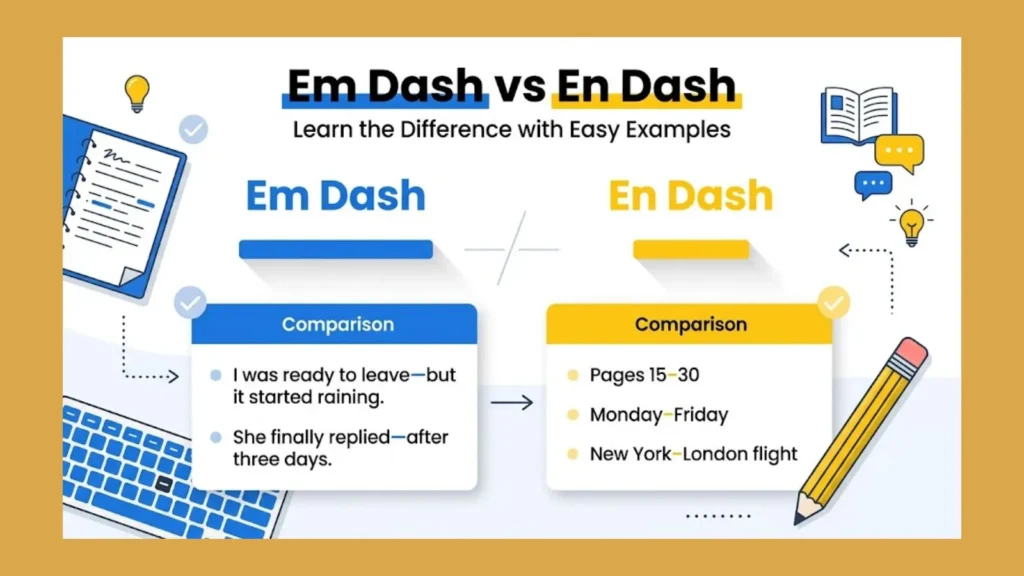
“You should use an em dash here, not an en dash.” Your first thought was probably: “Wait… there are different
132+ Em Dash vs En Dash: A Simple Guide With Examples Read More »
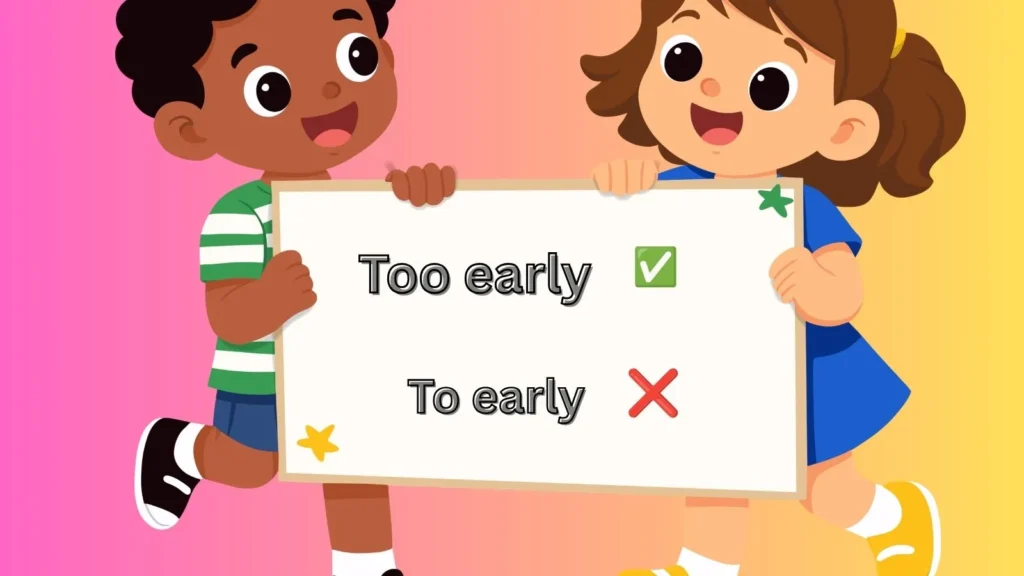
Have you ever paused while writing and wondered whether “too early” or “to early” is correct? You are not alone.
Too Early or To Early? The Correct Phrase Explained Read More »
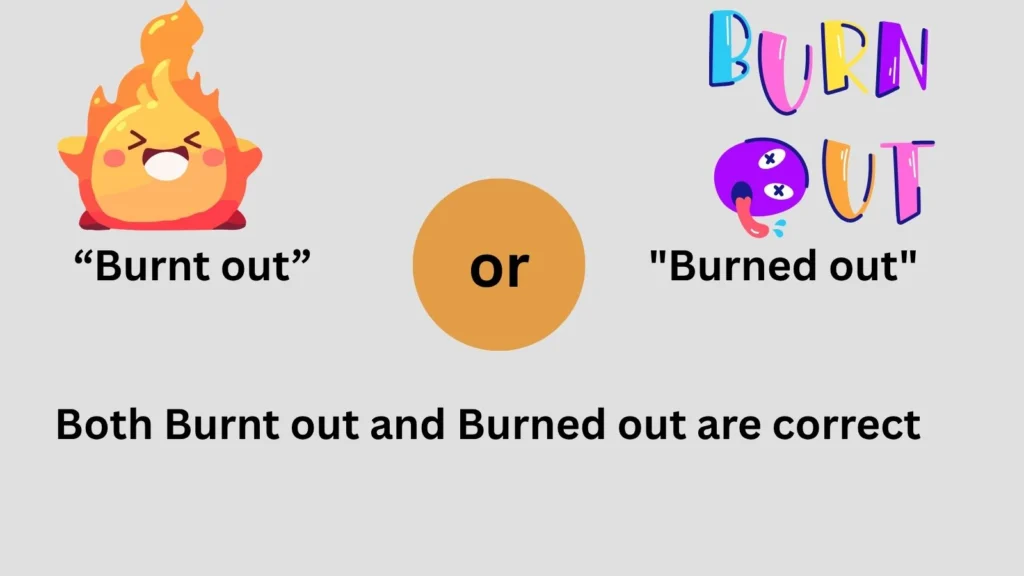
Have you ever wondered whether you should write “burnt out” or “burned out”? Many English learners, writers, and professionals face
Burnt Out or Burned Out: Which Spelling Is Correct? Read More »
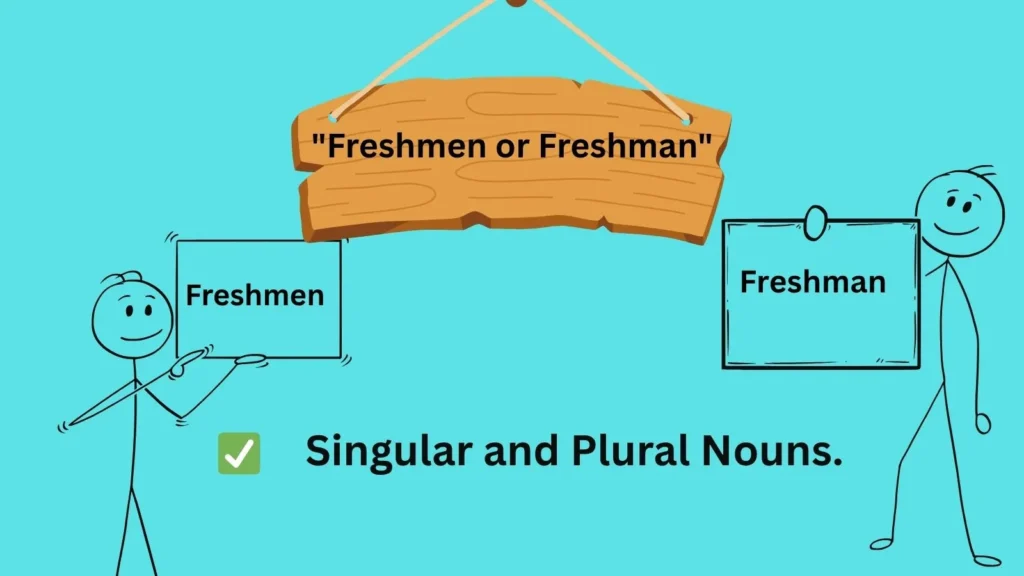
Have you ever written a sentence like, “The school welcomed hundreds of freshman,” and then paused for a second? Something
Freshmen or Freshman: Which One Should You Use? Read More »