Skip to content
wordspry.com
  • Home
  • About Us
  • Contact Us
  • Blog
    • Spelling Mistake
    • Confusing Words
    • Vocabulary
  • English Phrases
wordspry.com
pain-in-the-ass

Pain in the Ass Meaning: Definition, Origin, Examples, and How to Use It

Leave a Comment / English Phrases / Mason Clark

You have probably heard someone say, “That paperwork is a pain in the ass,” or “My old computer became a

Pain in the Ass Meaning: Definition, Origin, Examples, and How to Use It Read More »
its-not-rocket-science

“It’s Not Rocket Science”: Meaning, Spelling, and How to Use It

Leave a Comment / English Phrases / Victoria Lane

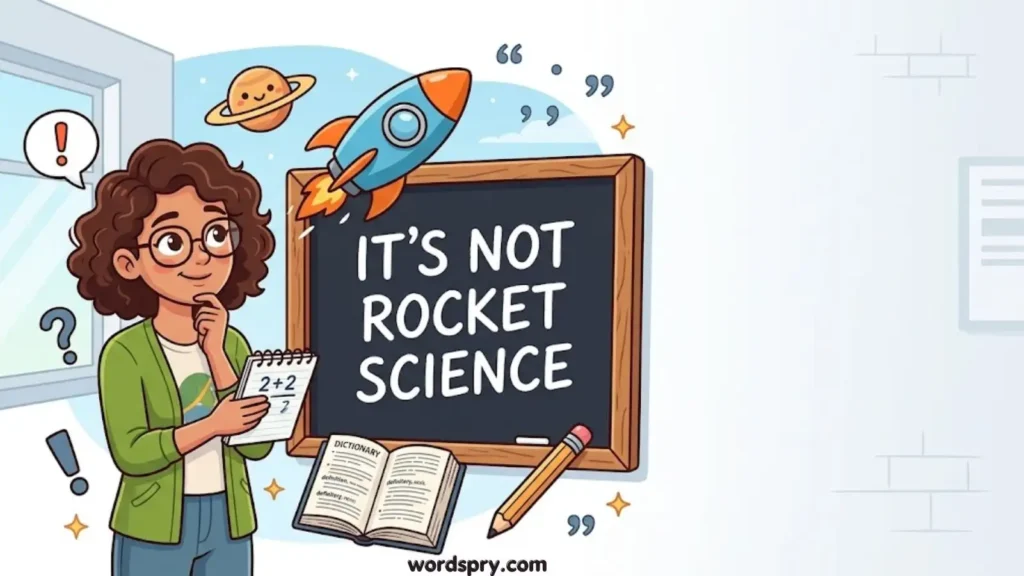
If someone says “It’s not rocket science,” they usually mean that something is not very difficult to understand or do.

“It’s Not Rocket Science”: Meaning, Spelling, and How to Use It Read More »

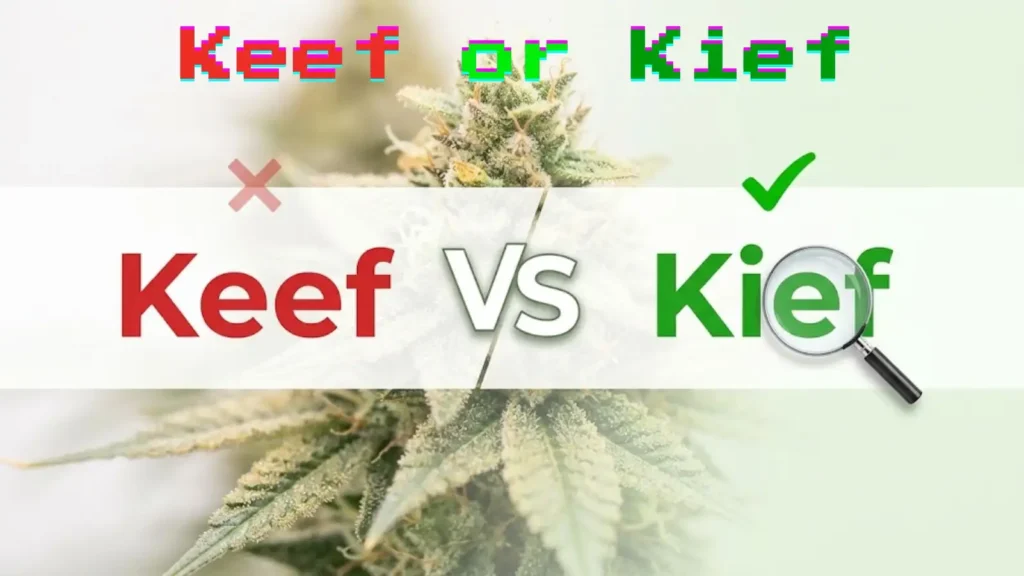
keef or kief

Keef or Kief: What’s the Difference? Meaning, Usage, and Examples

Leave a Comment / Spelling Mistake / Liam Harper

Grammar Rule: Kief is the correct English spelling for the fine, powdery resin from cannabis flowers. Keef is a common

Keef or Kief: What’s the Difference? Meaning, Usage, and Examples Read More »

fulfilment-or-fulfillment

Fulfilment or Fulfillment: Which Spelling Is Correct?

Leave a Comment / Vocabulary / William Parker

Have you ever written fulfilment or fulfillment and stopped to wonder which spelling looks right? You are not alone. Both

Fulfilment or Fulfillment: Which Spelling Is Correct? Read More »

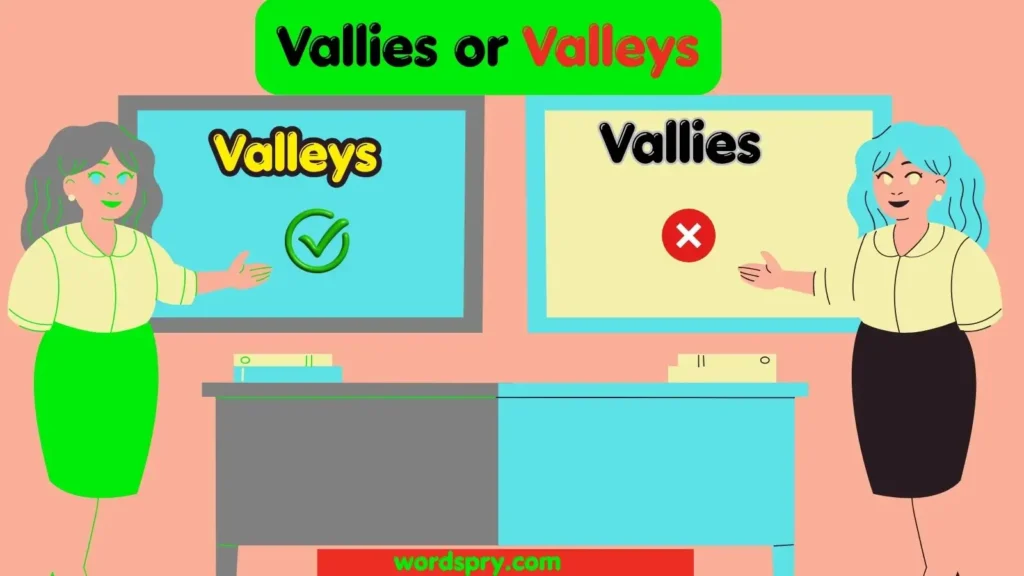
vallies-or-valleys

Vallies or Valleys: Meaning, Spelling, and Usage

Leave a Comment / Spelling Mistake / Henry Collins

Valleys is the correct spelling; “vallies” is generally incorrect.Valleys is the plural of valley, meaning low areas of land between

Vallies or Valleys: Meaning, Spelling, and Usage Read More »

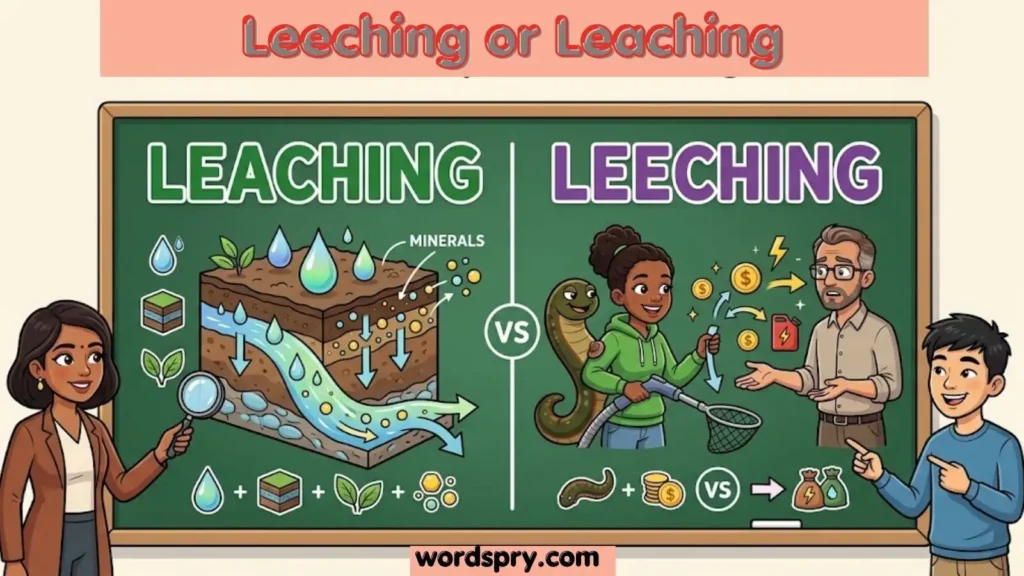
leeching-or-leaching

Leeching or Leaching: What’s the Difference?

Leave a Comment / Vocabulary / Victoria Lane

Leeching and leaching sound almost identical, but they describe very different ideas. One involves a parasite, a person who takes

Leeching or Leaching: What’s the Difference? Read More »

to-or-too

To or Too: What’s the Difference and When Should You Use Each?

Leave a Comment / Grammar / Mason Clark

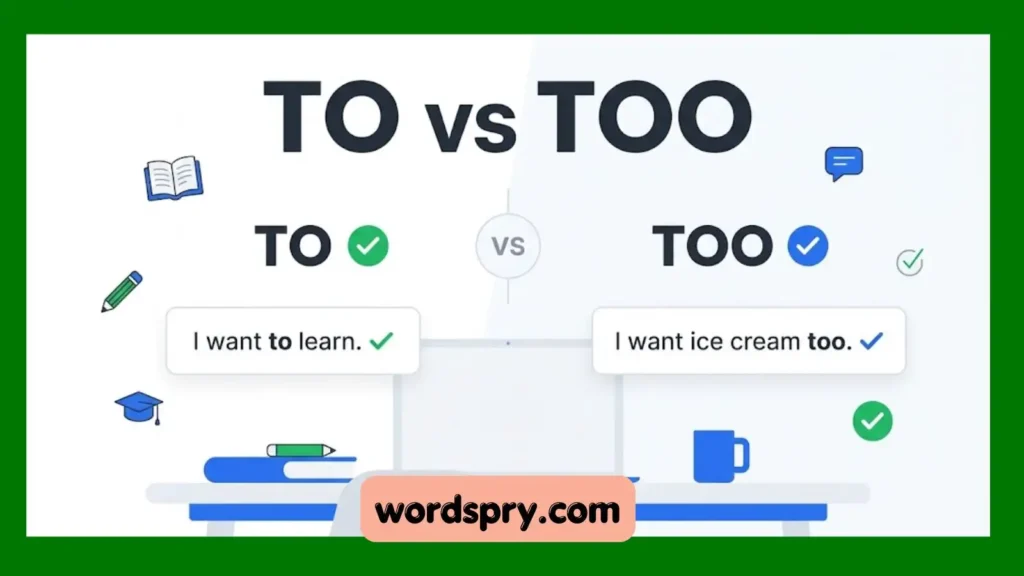
Use to for direction, purpose, or as part of an infinitive. Use too to mean “also” or “more than enough.”

To or Too: What’s the Difference and When Should You Use Each? Read More »

← Previous 1 … 8 9 10 … 21 Next →
  • Home
  • About Us
  • Contact Us
  • Disclaimer
  • Privacy Policy
  • Terms and Conditions

Quick Links

  • Disclaimer
  • Privacy Policy
  • Terms and Conditions
  • Word Difference
wordspry.com

© [2026] Wordspry.com