Quick Answer
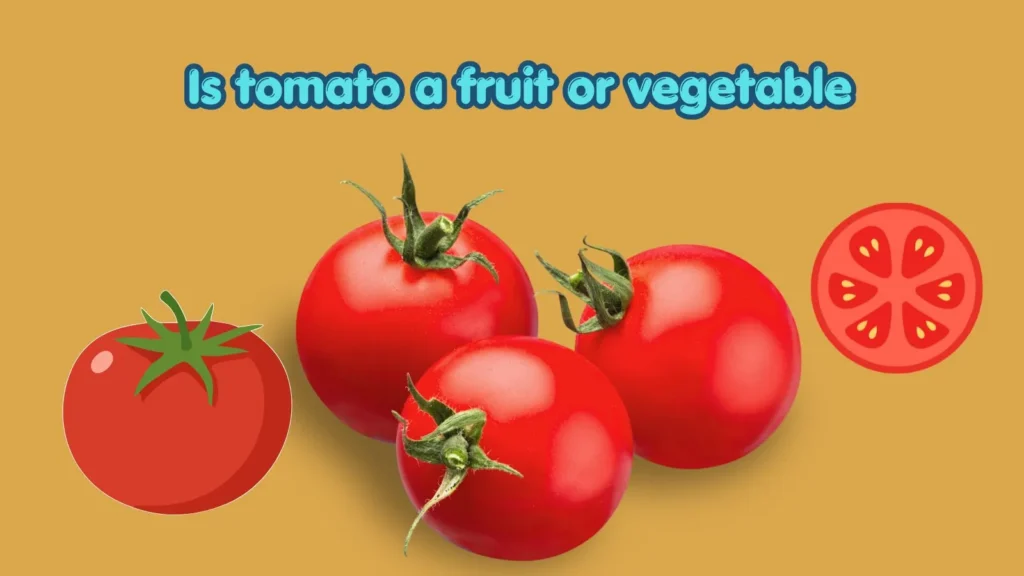
Is a tomato a fruit or a vegetable? The short answer is both, depending on the context. Botanically, a tomato is a fruit because it develops from the flower of a plant and contains seeds. Culinarily, however, it is treated as a vegetable because of its savory flavor and common use in salads, soups, sauces, and main dishes. Understanding the difference between fruit and vegetable helps clear up one of the most common food debates.
RELATED: Casi Algo Meaning: Full Guide to Love, Feelings, and Relationships
Meaning of Is a Tomato a Fruit or a Vegetable?
When people ask “is a tomato a fruit or a vegetable?”, they are comparing two different classification systems. In botany, fruits develop from the flower’s ovary and contain seeds. In cooking, vegetables are edible plant parts used in savory meals. Therefore, a tomato fits both definitions depending on whether you are speaking scientifically or culinarily. For example, a tomato belongs in a fruit salad scientifically, but most people use it in pasta sauce or sandwiches.
Why People Misspell “Tomato”
Many people search “tomato” with spelling mistakes because English pronunciation can be confusing. Common errors include tomoto, tomata, or tommato. Similar to words like address and success, English spelling often includes double letters or silent sounds that learners find difficult. Fast typing, autocorrect, and pronunciation differences also contribute to these mistakes, especially in online searches and school assignments.
Origin of the Word Tomato
The word tomato has an interesting history. It comes from the Spanish word tomate, which was borrowed from the Nahuatl (Aztec) word tomatl. Unlike many English words with Latin roots, tomato entered English through Spanish explorers during the 16th century. Over time, tomatoes spread throughout Europe and became one of the world’s most widely grown foods despite early beliefs that they were poisonous.
British vs American English
The spelling of tomato is identical in both British English and American English. The only noticeable difference is pronunciation. British speakers often say to-MAH-to, while many Americans say to-MAY-to. Regardless of pronunciation, the spelling remains the same.
| English Dialect | Spelling | Pronunciation |
|---|---|---|
| British English | Tomato | to-MAH-to |
| American English | Tomato | to-MAY-to |
| Canadian English | Tomato | Similar to American |
| Australian English | Tomato | Similar to British |
The Famous U.S. Supreme Court Decision
One reason this question remains popular is the 1893 U.S. Supreme Court case Nix v. Hedden. The Court ruled that tomatoes should be treated as vegetables for import taxes because people commonly eat them as part of meals instead of desserts. Importantly, the decision did not change the scientific definition. Botanically, tomatoes remain fruits.
Is Tomato a Fruit or Vegetable? Yahoo Answers vs. Scientific Facts
Many people still search “Is tomato a fruit or vegetable Yahoo Answers”, but modern science provides a clear explanation. Learn why tomatoes are classified as fruits in botany, why cooks treat them as vegetables, and which answer is actually correct.
Why Is a Tomato a Fruit and Not a Cucumber?
Although both tomatoes and cucumbers contain seeds and develop from flowers, they are both botanical fruits. Discover why people often compare them, how they differ in cooking, and why neither is technically a vegetable in botanical terms.
Is Tomato a Fruit or Vegetable Nutritionally?
From a nutritional perspective, tomatoes are often grouped with vegetables because they are low in sugar and commonly eaten in savory dishes. Explore how nutrition experts classify tomatoes and whether their health benefits depend on being called a fruit or a vegetable.
Why Is a Tomato Considered a Fruit?
From a botanical perspective, a tomato is unquestionably a fruit. Fruits develop from the fertilized flower of a plant and contain seeds that help produce new plants. Tomatoes grow from yellow tomato flowers and contain numerous seeds inside the flesh. Other botanical fruits include cucumbers, pumpkins, peppers, squash, and eggplants, even though many people cook them like vegetables.
Why Is a Tomato Considered a Vegetable?
In the kitchen, a tomato behaves like a vegetable because it has a savory flavor rather than a sweet one. Chefs use tomatoes in soups, pizzas, curries, salads, sandwiches, and pasta sauces instead of desserts. This culinary classification focuses on flavor and cooking style rather than plant biology, which is why recipes group tomatoes with vegetables.
When to Use “Fruit” or “Vegetable”
Choose the correct term depending on your audience and purpose.
- Science essays: Use fruit.
- Biology assignments: Use fruit.
- Cooking recipes: Use vegetable.
- Restaurant menus: Usually vegetable.
- Casual conversations: Either explanation works if you clarify the context.
- Work reports about agriculture: Mention both botanical and culinary classifications.
Common Mistakes
People often misunderstand tomatoes because they mix scientific and culinary definitions.
| Incorrect Statement | Correct Statement |
|---|---|
| Tomatoes are only vegetables. | Tomatoes are botanically fruits. |
| Tomatoes are never vegetables. | In cooking, tomatoes are treated as vegetables. |
| Fruits must always taste sweet. | Many fruits, including tomatoes, are not sweet. |
| Vegetables always come from roots or leaves. | Culinary vegetables include many botanical fruits. |
Everyday Examples
“Our biology teacher explained that the tomato is technically a fruit.”
Social Media
“Mind blown! 🍅 A tomato is scientifically a fruit, but we cook it like a vegetable.”
Professional Writing
“The report classifies tomatoes as botanical fruits while recognizing their culinary use as vegetables.”
School Assignment
“My science project explains why a tomato is a fruit according to botany.”
Usage Comparison Table
| Situation | Correct Usage | Incorrect Usage |
|---|---|---|
| Biology class | “A tomato is a fruit.” | “A tomato is scientifically a vegetable.” |
| Cooking recipe | “Add vegetables like tomatoes.” | “Add fruits like tomatoes” (unless discussing botany). |
| Agriculture report | “Tomatoes are botanical fruits.” | “Tomatoes have no seeds.” |
| Everyday conversation | “Tomatoes are fruits scientifically but vegetables in cooking.” | “Tomatoes cannot be both.” |
| Food discussion | “Tomatoes work well in savory dishes.” | “Only sweet fruits are fruits.” |
FAQs About Tomatoes
Is a tomato really a fruit?
Yes. Botanically, a tomato is a fruit because it develops from a flower and contains seeds.
Why do people call tomatoes vegetables?
People call them vegetables because they are usually used in savory cooking rather than desserts.
What did the Supreme Court say about tomatoes?
The U.S. Supreme Court ruled that tomatoes should be treated as vegetables for taxation purposes, not scientific classification.
Are cucumbers and peppers fruits too?
Yes. Like tomatoes, cucumbers, peppers, pumpkins, and squash are botanical fruits.
How can I remember whether a tomato is a fruit?
Remember this simple rule: If it grows from a flower and contains seeds, it’s a botanical fruit.
Does British English classify tomatoes differently?
No. Both British English and American English recognize the same botanical definition.
Can a tomato be both a fruit and a vegetable?
Yes. It is a fruit in botany and a vegetable in culinary use.
Conclusion
The answer to “is a tomato a fruit or a vegetable?” depends entirely on the context. Scientifically, a tomato is a fruit because it develops from a flower and contains seeds. Culinarily, it is treated as a vegetable because of its savory flavor and role in cooking. There is no contradiction—both classifications are correct within their respective fields.
The easiest way to remember the difference is this: botany looks at how a plant grows, while cooking looks at how food is used. Keeping that simple distinction in mind will help you answer this classic question correctly in essays, school assignments, conversations, and quizzes.

Hi, I’m Mason Clark, the writer behind Wordspry!
My goal is to make grammar learning easier with straightforward explanations, useful examples, and engaging English lessons that help you grow every day.